


Start with the urgent work, not the final smile
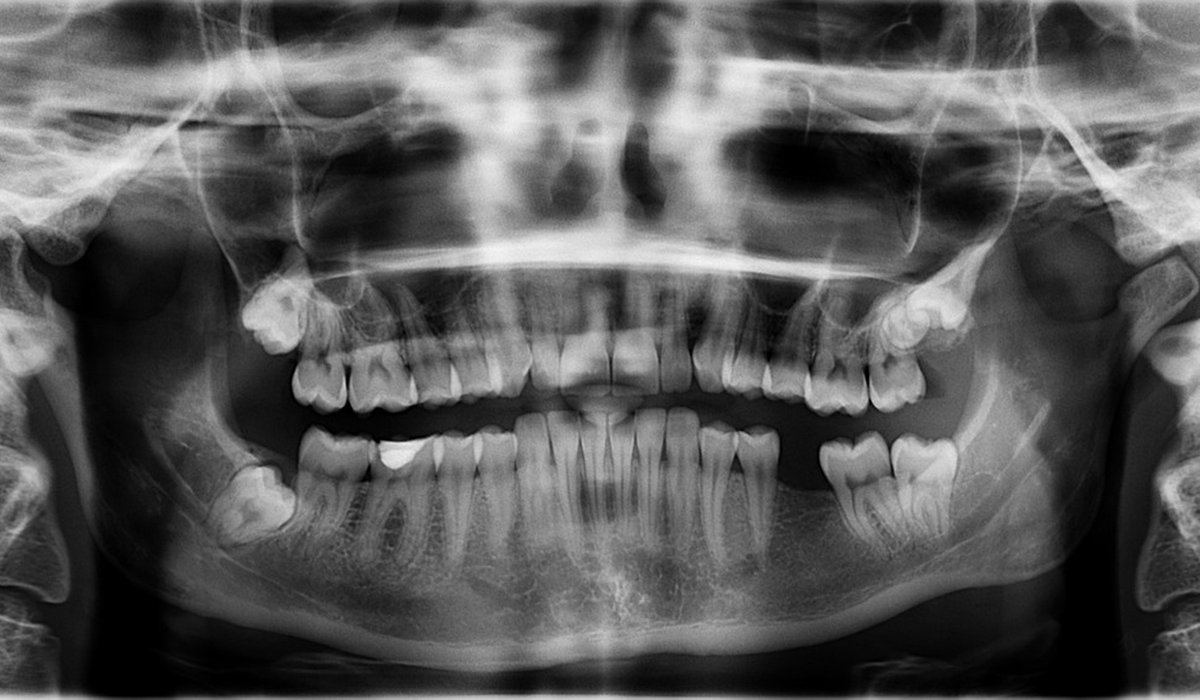
When several teeth are missing or failing, the temptation is to focus on the final result — a full set of implants and a confident smile. But the most financially sensible first step is to deal with anything urgent. That means treating active infection, having extractions that cannot be avoided, and getting gum disease under control. These steps are not glamorous, but they protect your overall health and often cost far less than leaving problems to worsen.
Budget for a full assessment first. A private consultation with X-rays and a written treatment plan might cost £100–£250. NHS patients pay a Band 1 or Band 2 charge for examinations and extractions, though implants are rarely available on the NHS. Ask your dentist to separate urgent work from elective replacement. That way you can pay for the essentials without committing to the whole restorative plan at once.
- Emergency extraction (private): £100–£300 per tooth
- Gum disease treatment (per quadrant): £150–£500
- Full diagnostic assessment: £100–£250
Work out what "several missing teeth" really means for your budget
Replacing three or four teeth is very different from replacing a full arch. A single implant with a crown typically costs £2,000–£2,500 privately in the UK, plus possible bone grafting at £500–£1,500 per site. If you need three implants, that is £6,000–£7,500 before any extractions or temporary teeth. A full-arch fixed bridge on four to six implants can range from £12,000 to £25,000 per jaw.
Ask your dentist how many implants are actually needed. Sometimes a bridge supported by two implants can replace three missing teeth. In other cases, a removable partial denture at £300–£1,000 is a sensible temporary or permanent option. The key is to get a written breakdown: implant fixture, abutment, crown, grafting, sedation, temporary prosthetics, and review appointments. Hidden costs are the main reason budgets fail.
Compare staged treatment against a single full-arch plan
Staged treatment means replacing teeth in phases over months or years. You might have the front teeth implanted first for appearance and function, then the back teeth later. This spreads the cost, lets you save between stages, and reduces the risk of borrowing more than you can repay. It also gives you time to see how your gums and bone respond.
A single full-arch plan is often quicker and can be more cost-effective per tooth if you need many implants. But it demands a large upfront payment or finance agreement. Compare the total cost of both routes, including temporary dentures, extra visits, and the risk of needing more grafting later. Staging is not a failure — it is a practical way to protect your cash flow whilst still restoring your oral health.
- Staged: lower initial outlay, more appointments, possible price rises over time
- Full-arch: higher upfront cost, fewer surgical sessions, immediate fixed teeth in some cases
Ask about warranties, maintenance, and aftercare before you commit
Dental implants are not a one-off purchase. They need professional maintenance, and parts can wear or break. Before signing a finance agreement, ask exactly what the warranty covers. Most implant manufacturers offer a lifetime guarantee on the fixture, but your dentist may only guarantee the crown for five years. The warranty is usually void if you miss hygiene appointments, smoke heavily, or have uncontrolled diabetes.
Budget for ongoing care. A hygienist visit every three to six months costs £60–£120 privately. Annual X-rays and clinical reviews add £50–£150. Replacement crowns or abutments may cost £500–£1,000 after several years. Ask for a written maintenance schedule with estimated annual costs. A warm, honest dentist will welcome these questions — they want your implants to last as much as you do.
Practical ways to fund the plan without overstretching
Once you have a written plan with staged costs, explore payment options. Many UK dental practices offer 0% finance over 12 months or low-interest loans over five years. Compare the total repayable, not just the monthly amount. If you have savings, consider paying for urgent extractions and diagnostics upfront, then financing the implant stage.
Check whether your employer offers a dental cash plan or whether you have private health insurance that covers part of the treatment. Most policies exclude implants unless they follow an accident or cancer surgery, but it is worth a phone call. Do not use high-interest credit cards or payday loans for elective dental work. Your oral health matters, but so does your financial wellbeing.
Build a realistic annual oral health budget
Finally, think beyond the implant surgery. Replacing missing teeth is only worthwhile if you keep the rest of your mouth healthy. Set aside £300–£600 per year for check-ups, hygiene, and any small repairs. This prevents new decay or gum disease that could jeopardise your investment.
Include a night guard if you grind your teeth (£150–£400), and replace your toothbrush and interdental brushes regularly. A diet low in sugar and acid, plus stopping smoking, will save you far more than any discount on treatment. Budgeting for several missing teeth is not just about the implant bill — it is about protecting your whole mouth for decades to come. With a staged plan, clear warranties, and realistic maintenance costs, you can restore your smile without losing sleep over the finances.


Leave a reply