


Why the First Appointment Matters More Than You Might Think
A dental implant consultation is not a sales pitch — it is a diagnostic appointment. Whether you lost a tooth last month or have been living with a gap for years, this first visit is where your dentist works out whether an implant is genuinely the right option for you, and if so, what the treatment will involve.
Most UK clinics set aside between 30 and 45 minutes for this appointment. Some charge a consultation fee, typically somewhere between £50 and £150, which is often deducted from the treatment cost if you go ahead. Ask about this when you book, so there are no surprises on the day.
Before the Examination: Your Medical History
You will be asked to complete a detailed health questionnaire, and it is worth taking your time over it. Implant treatment depends on your body's ability to heal, so certain conditions and habits genuinely change what is possible.
- Smoking: it restricts blood flow to the gums and significantly increases the risk of implant failure. Your dentist may ask you to stop for a period before and after surgery.
- Diabetes: well-controlled blood sugar is usually fine; poorly controlled diabetes is not.
- Gum disease history: active periodontal disease needs treating first, or the implant is being placed into a losing battle.
- Medications: bisphosphonates, anticoagulants and some immunosuppressants are all relevant.
- Previous radiotherapy to the head or neck, and any history of grinding your teeth.
Be honest here. It is far better to discuss a habit or a health condition now than to discover a problem six months into treatment.
The Clinical Examination
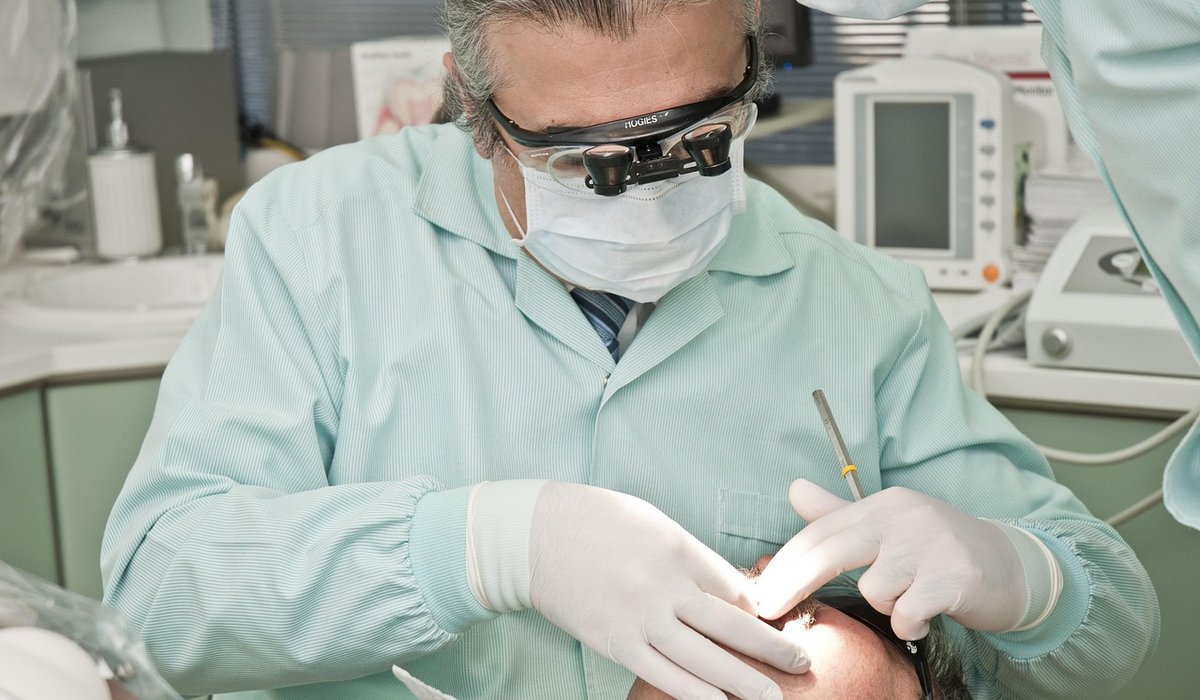
The dentist will examine your mouth thoroughly, not just the gap where the tooth used to be. They will be assessing:
- The health of your gums, including pocket depths around neighbouring teeth.
- The quality and volume of bone in the intended site.
- Whether adjacent teeth are stable, or whether they might also need attention.
- Your bite, and how your teeth meet when you close.
- Your smile line and gum position, which affects how natural the final crown will look.
Photographs of your teeth are often taken at this stage. They are a useful record and help you see what your dentist sees.
Scans and Imaging: What Is Actually Needed
X-rays are standard. A small periapical X-ray shows the immediate area, while a wider panoramic image gives an overview of both jaws, the sinuses and the position of nerves. Many clinics now use digital radiography, which means the images appear on screen within seconds and the radiation dose is very low.
If there is any question about bone volume, or if the implant site is close to a nerve or the sinus cavity, your dentist may recommend a cone beam CT scan. This produces a three-dimensional picture of the jaw, allowing the implant to be planned to the millimetre. Not everyone needs one, and a good clinician will explain why it is being suggested rather than including it as a matter of course.
You may also have a digital scan of your mouth taken instead of a traditional putty impression. It is quicker, far more comfortable, and the file can be used to design a guide for placing the implant accurately.
The Treatment Plan, Timelines and Costs
By the end of the appointment you should leave with a written treatment plan. This typically sets out the stages: any extractions and healing time, the placement of the implant itself, a healing period of around three to six months while the implant fuses with the bone, then the fitting of the abutment and crown. If a bone graft or sinus lift is needed, that adds time.
Costs vary across the UK, but a single implant with a crown commonly sits somewhere between £2,000 and £3,000, with full-arch work costing considerably more. Ask specifically what the quote includes — the scan, the surgery, the abutment, the final crown, and any follow-up appointments. A figure that looks competitive can quickly grow if the crown is billed separately.
Ask too about the warranty. Many clinics offer a guarantee on the implant fixture provided you attend regular maintenance appointments, and that is a reasonable thing to request in writing.
Questions Worth Asking Before You Commit
- Who will carry out the surgery, and how often do they place implants?
- What are the alternative options, such as a bridge or a partial denture, and how do they compare long term?
- What happens if the implant does not integrate successfully?
- What is the realistic success rate in my case, given my health and habits?
- How will the site be maintained afterwards, and how often should I be reviewed?
- Is the clinic registered with the relevant UK regulator, and is the dentist on the appropriate register?
Take the plan home and read it properly. A good dentist will never press you to sign on the day, and seeking a second opinion is entirely reasonable. The right consultation leaves you better informed than you arrived — whether or not you decide to go ahead.


Leave a reply